Description
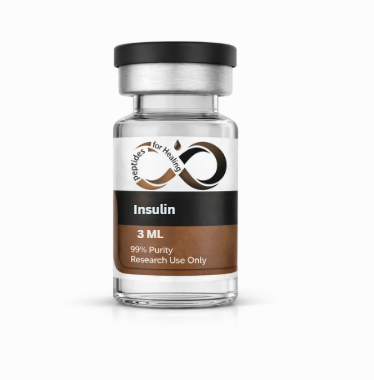
Insulin 3ml × 1 vial
Managing diabetes can often feel like a juggling act. One crucial element in this process is insulin, a hormone that plays a vital role in regulating blood sugar levels. For those seeking to maintain their health and well-being, understanding the ins and outs of insulin—such as what it is, its various types, how to administer it correctly, and potential side effects—is essential. If you’re exploring options for your diabetes management or to buy insulin peptide for sale online, you’ve come to the right place! This guide will shed light on everything you need to know about insulin vials and help equip you with the knowledge needed for better health outcomes.
What is Insulin?
Insulin is a hormone produced by the pancreas. It plays a crucial role in how your body processes glucose, the primary source of energy for cells. When you eat, your blood sugar levels rise, prompting insulin release to help transport glucose into cells.
For individuals with diabetes, this process can be disrupted. They either don’t produce enough insulin or their bodies become resistant to its effects. As a result, managing blood sugar becomes essential.
By facilitating glucose uptake and storage in muscles and fat tissues, insulin helps maintain stable blood sugar levels throughout the day. Without it, high blood sugar can lead to serious health complications over time.
Understanding what insulin does provides insight into why it’s vital for those managing diabetes or other related conditions. This knowledge empowers patients to make informed decisions about their treatment options and lifestyle adjustments.
Types of Insulin
Insulin comes in various types, each designed to meet different needs for blood sugar management. The primary classifications include rapid-acting, short-acting, intermediate-acting, and long-acting insulin.
Rapid-acting insulin works swiftly to control spikes in blood sugar after meals. It’s typically administered just before eating.
Short-acting insulin takes a bit longer to start working but has a similar effect on blood glucose levels. It’s often used for meal coverage as well.
Intermediate-acting insulin serves as a bridge between meals. It lasts longer than its shorter counterparts and provides more sustained glycemic control throughout the day.
Long-acting insulin is designed for extended use. This type maintains steady levels of insulin in the bloodstream over an entire day or even longer, making it ideal for baseline metabolic needs.
Each type plays a crucial role in diabetes management strategies tailored to individual lifestyles and medical requirements.
How is Insulin Administered?
Insulin administration is a crucial part of diabetes management. Most commonly, it’s given through injections. Patients typically use pre-filled pens or syringes to deliver their doses.
The injection sites can vary, including the abdomen, thighs, and arms. Rotating these areas helps prevent tissue damage and ensures consistent absorption.
Some people opt for insulin pumps. These devices provide a steady infusion of insulin throughout the day. They can be programmed for different rates based on meal times and activity levels.
Inhalable forms of insulin are also available but are less common. They offer an alternative for those who dislike needles but require careful monitoring administration.
Regardless of the method chosen, proper technique is essential to ensure effective treatment and minimize discomfort during each dose.
Understanding Dosage and Vials
When it comes to insulin, understanding dosage is crucial for effective management of diabetes. Each vial typically contains 3ml of liquid, which can be measured in units. This ensures precise administration based on individual needs.
Insulin vials are marked with unit measurements, making it easier for users to determine the correct dose. Most commonly, a standard vial contains either 100 or 500 units per milliliter.
It’s important to note that not all insulins are created equal. Some act quickly while others have a longer duration before they take effect—this influences how often and when you should administer them.
Always consult your healthcare provider before making any adjustments to your dosage. Proper education about handling vials and syringes is key to avoiding errors and ensuring safety throughout treatment.
Potential Side Effects and Precautions
When using insulin, it’s essential to be aware of potential side effects. Common reactions include low blood sugar, also known as hypoglycemia. Symptoms may range from dizziness and sweating to confusion or irritability.
Allergic reactions are another concern. Some individuals might experience skin rashes, swelling at the injection site, or even more severe responses in rare cases.
Weight gain can occur with insulin therapy too. It’s a trade-off for better glucose control but requires attention to diet and exercise.
Monitoring your body closely is vital when starting any new medication regimen. Always consult your healthcare professional regarding dosage adjustments if you notice unusual symptoms or fluctuations in your health status.
Staying informed about these possible effects helps manage them effectively while ensuring safe use of this critical hormone therapy.
Conclusion
Understanding insulin is crucial for anyone managing diabetes or to enhance their health. It plays a vital role in regulating blood sugar levels and maintaining overall well-being.
The various types of insulin cater to different needs. Rapid-acting, short-acting, intermediate-acting, and long-acting insulins each serve specific purposes throughout the day. This flexibility allows individuals to tailor their treatment plans effectively.
Administering insulin can be straightforward with proper education. Whether using syringes, pens, or pumps, knowing how to correctly inject ensures optimal absorption and effectiveness.
Dosage comes into play as you navigate your unique requirements. Insulin vials typically contain 3ml of the medication but understanding how much you need is essential for effective management.
While insulin is generally safe when used correctly, potential side effects such as hypoglycemia should not be. Always discuss with healthcare professionals any concerns regarding your regimen.
For those seeking reliable options for managing their condition safely and effectively—buying insulin peptide for sale online can offer convenience without compromising quality or care standards.